
Quick answer
Colonic irrigation is not an established treatment for an enlarged prostate (BPH) or prostatitis. However, constipation can put pressure on the bladder and may make urinary symptoms feel worse. Improving constipation can therefore support bowel comfort, but it does not shrink the prostate or replace medical assessment.
If you have new or worsening difficulty passing urine, blood in your urine, pain when urinating, fever, or you cannot urinate at all, seek medical advice promptly. The NHS enlarged prostate guidance explains when to contact a GP or NHS 111.
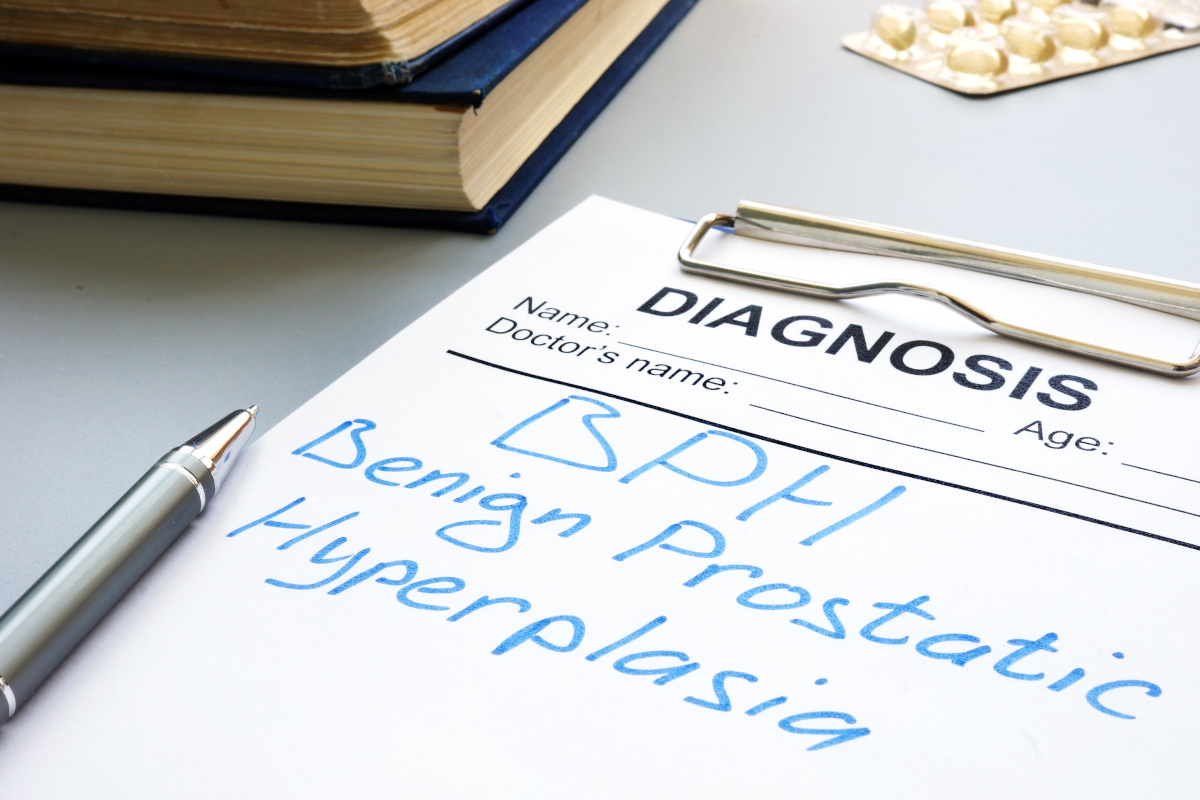
An enlarged prostate, also called benign prostate enlargement or benign prostatic hyperplasia (BPH), becomes more common with age. It can cause a weak urine stream, difficulty starting to urinate, a feeling that the bladder has not emptied fully, urgency and frequent trips to the toilet at night.
People sometimes search for colonic irrigation and enlarged prostate because bowel and bladder symptoms can occur together. However, that link needs careful explanation. Constipation may increase pressure around the bladder and can make lower urinary tract symptoms more troublesome. It does not follow that colon hydrotherapy reduces prostate size or treats BPH.
On this page
- What is an enlarged prostate?
- Can constipation make urinary symptoms worse?
- Does colonic irrigation reduce an enlarged prostate?
- What about a “prostate cleanse”?
- Colonic irrigation and prostatitis
- What does PubMed research show?
- How doctors manage BPH symptoms
- When to seek medical help
- Colonic irrigation at Parkland Natural Health
- Frequently asked questions
What is an enlarged prostate?
The prostate is a small gland below the bladder. The urethra, which carries urine out of the bladder, passes through the prostate. As the prostate becomes larger, it can therefore place pressure on the urethra and affect urine flow.
Benign prostate enlargement is not prostate cancer. However, several prostate, bladder and urinary conditions can cause similar symptoms. That is why persistent urinary changes should be assessed rather than self-diagnosed. The NHS guide to enlarged prostate gives a clear overview of symptoms, diagnosis and treatment.
Common symptoms of BPH
- difficulty starting to urinate;
- a weak or interrupted urine stream;
- straining to pass urine;
- feeling that the bladder has not emptied completely;
- needing to urinate more often or urgently;
- getting up several times during the night to urinate; and
- dribbling after urination.
Doctors often call these problems lower urinary tract symptoms (LUTS). BPH is one possible cause, but it is not the only one.
Can constipation make urinary symptoms worse?
Yes. Bowel and bladder function can influence each other because the bowel and bladder sit close together in the pelvis and share elements of pelvic-floor and nerve function.
The NHS specifically advises people with enlarged-prostate symptoms to prevent constipation because a full bowel can put pressure on the bladder. Eating enough fibre, staying active and drinking an appropriate amount of fluid can support regular bowel movements. See the NHS section on things you can do to help enlarged-prostate symptoms.
In addition, research supports an association between bowel habits and urinary symptoms. A population study of 3,077 men aged 40 or over found that infrequent bowel movements were associated with nocturia, urinary hesitancy and incomplete bladder emptying. You can read the study on PubMed, PMID 23063806.
More recently, a prospective study found that changes in constipation were associated with changes in lower urinary tract symptoms. Importantly, the relationship was relatively weak. The study shows that bowel and urinary symptoms can travel together; it does not show that bowel cleansing treats BPH. See PubMed, PMID 38779984.
Key distinction: relieving constipation may reduce bowel-related pressure on the bladder. That is not the same as shrinking an enlarged prostate or treating the prostate itself.
Colonic Irrigation and Enlarged Prostate: Does It Help BPH?
There is no reliable clinical evidence that colonic irrigation reduces prostate size or treats benign prostate enlargement.
This distinction matters. For example, a person who is constipated may feel more pelvic pressure or notice that urinary symptoms are more troublesome. Improving constipation may therefore help bowel comfort and reduce that extra pressure. However, this does not change the underlying enlargement of the prostate.
Therefore, current evidence-based management of male LUTS focuses on assessment, lifestyle advice, medicines and, when appropriate, procedures or surgery. The NICE guideline CG97 sets out the recommended assessment and treatment pathway.
The American Urological Association guideline amendment also reviews established medical and surgical approaches to BPH-related urinary symptoms. Colon hydrotherapy is not identified as a treatment for BPH. See PubMed, PMID 37706750.
| Question | What current evidence supports |
|---|---|
| Can constipation worsen urinary symptoms? | Yes. Constipation and LUTS can occur together, and a full bowel can put pressure on the bladder. |
| Can treating constipation improve comfort? | It may help bowel comfort and reduce bowel-related pressure. |
| Does colonic irrigation shrink the prostate? | No reliable evidence establishes this. |
| Is colonic irrigation a recognised BPH treatment? | No. Current BPH guidance focuses on lifestyle measures, medicines and urological procedures. |
What about a “prostate cleanse” or “prostate detox”?
There is no recognised medical treatment called a prostate cleanse or prostate detox. The prostate cannot be flushed or cleansed through the bowel.
The rectum and prostate are anatomically close. As a result, bowel fullness, constipation and pelvic-floor symptoms can sometimes influence how urinary symptoms feel. Even so, clearing the bowel does not remove material from the prostate.
Colonic irrigation and prostatitis are different issues
Prostatitis is not the same as benign prostate enlargement. Prostatitis involves inflammation of the prostate, and some forms involve infection. Chronic prostatitis and chronic pelvic pain syndrome can be more complex.
Symptoms may include pelvic or genital pain, pain when urinating, increased urinary frequency, difficulty urinating and pain during or after ejaculation. Acute prostatitis can also cause fever and may need urgent treatment. The NHS prostatitis guidance explains symptoms, treatment and urgent warning signs.
A consensus guideline on chronic bacterial prostatitis and chronic prostatitis/chronic pelvic pain syndrome recommends treatment according to the individual symptom pattern. Options can include antibiotics when infection is present, medicines for urinary symptoms, pain management and specialist care. See PubMed, PMID 25711488.
There is no established evidence that colonic irrigation cures prostatitis. Anyone with suspected prostatitis should therefore seek medical assessment rather than use colon hydrotherapy as a replacement for treatment.
What does PubMed research show?
The research helps separate two ideas that are often confused: bowel and urinary symptoms can be related, but that does not prove that colon hydrotherapy treats prostate disease.
| Research | What it tells us |
|---|---|
| PMID 38779984 | A 2024 prospective study found that changes in constipation and other pelvic-floor symptoms were associated with changes in LUTS. The associations were relatively weak. |
| PMID 23063806 | A study of 3,077 men found associations between bowel habits and symptoms such as nocturia, hesitancy and incomplete bladder emptying. |
| PMID 37706750 | The AUA BPH guideline amendment reviews evidence-based medical and procedural management of LUTS attributed to BPH. |
| PMID 25711488 | A consensus guideline explains diagnosis and treatment of chronic bacterial prostatitis and chronic pelvic pain syndrome. |
| PMID 16722789 | A review of colonic irrigation describes the historical controversy, limited efficacy research and the need to consider potential adverse effects. |
Taken together, these publications support a cautious conclusion. Constipation and urinary symptoms may coexist, and preventing constipation can form part of general symptom management. They do not provide evidence that colon hydrotherapy shrinks the prostate, reverses BPH or cures prostatitis.
How doctors manage enlarged-prostate symptoms
A GP will usually start by asking about urinary symptoms and how much they affect everyday life. Assessment may include a physical examination, a urine test and a discussion about PSA testing. Some people need further investigation by a urologist. NICE provides detailed guidance on the assessment of lower urinary tract symptoms in men.
For mild symptoms, lifestyle measures may be enough. These can include adjusting fluid intake, reducing alcohol and caffeine, preventing constipation and trying techniques such as double voiding. If symptoms are more troublesome, doctors may recommend medicines such as alpha blockers or 5-alpha-reductase inhibitors. Procedures and surgery are also available when appropriate.
When urinary symptoms need medical attention
Seek medical advice promptly if you:
- cannot pass urine;
- have blood in your urine;
- have pain or burning when urinating;
- develop fever or become acutely unwell;
- have severe pelvic or lower abdominal pain; or
- notice persistent or worsening changes in urination.
See the NHS enlarged prostate page and NHS prostatitis page for current advice on urgent symptoms.
Colonic irrigation at Parkland Natural Health
At Parkland Natural Health, we provide colonic irrigation as a complementary bowel and wellbeing procedure. We do not present it as a treatment for BPH, prostatitis or prostate cancer.
Every first appointment includes a consultation and suitability screening. We ask about relevant medical conditions, current symptoms, recent procedures and medicines. If you have unexplained urinary symptoms, acute pelvic pain, fever, urinary retention or another potentially significant medical problem, medical assessment should come first.
If you have already been assessed for BPH and are otherwise suitable for colon hydrotherapy, you can explore our colonic irrigation treatments and prices in Holborn. Also, if you are new to the procedure, our colonic irrigation FAQ explains what happens during an appointment, preparation, comfort, privacy, aftercare and suitability screening.
Colonic irrigation: evidence and safety
Research specifically examining professional colon hydrotherapy remains limited. A PubMed-indexed review discussed the lack of strong efficacy research and the potential for adverse effects. You can read the review at PubMed, PMID 16722789.
The US National Center for Complementary and Integrative Health also notes that clinical evidence validating colonic irrigation is limited and that colon cleansing procedures can have side effects, some of which can be serious. See its evidence summary on detoxes and cleanses.
Suitability screening matters. People with some gastrointestinal diseases, recent bowel surgery, significant kidney or heart disease, active bleeding or other medical conditions may need to avoid colon hydrotherapy or obtain medical advice first.
Frequently asked questions
Can colonic irrigation shrink an enlarged prostate?
No reliable clinical evidence shows that colonic irrigation shrinks the prostate. BPH should be assessed and managed using established medical guidance.
Can constipation make BPH symptoms feel worse?
Yes. Constipation can put pressure on the bladder and is associated with lower urinary tract symptoms. Preventing constipation may therefore help some bowel- and bladder-related symptoms, but it does not make the prostate smaller.
Does colonic irrigation treat prostatitis?
There is no established clinical evidence that colonic irrigation cures prostatitis. Prostatitis may need medical investigation and treatment, particularly when infection is suspected.
Is a “prostate cleanse” medically recognised?
No. “Prostate cleanse” is not a recognised medical treatment. The prostate cannot be flushed or cleansed through the colon.
Should I book a colonic if I am having difficulty urinating?
Medical assessment should come first if you have unexplained or worsening difficulty urinating. If you cannot pass urine at all, seek urgent medical help.
Trusted medical sources
- NHS: Enlarged prostate
- NHS: Prostatitis
- NICE CG97: Lower urinary tract symptoms in men – recommendations
- PubMed PMID 37706750: AUA guideline amendment for LUTS attributed to BPH
- PubMed PMID 38779984: Constipation, pelvic-floor symptoms and the course of LUTS
- PubMed PMID 23063806: Bowel habits and lower urinary tract symptoms in men
- PubMed PMID 25711488: Consensus guideline for chronic bacterial prostatitis and chronic pelvic pain syndrome
- PubMed PMID 16722789: Review of colonic irrigation and potential adverse effects
- NCCIH: “Detoxes” and “Cleanses” – evidence and safety
Medical information notice: This page provides general information and does not diagnose or treat prostate disease. Persistent or unexplained urinary symptoms should be assessed by a GP or qualified urology professional.
