

LYMPHATIC WELLBEING · EVIDENCE-INFORMED GUIDE
Understanding lymphatic stagnation and lymph flow
The lymphatic system is part of the body’s fluid-balance and immune-defence network. If you have heard the expressions “lymphatic stagnation”, “lymph stagnation” or “stagnant lymph”, you may be wondering what they mean, what symptoms to look for and which approaches can support lymphatic wellbeing.
This guide explains the difference between everyday descriptions of slow lymph flow and the recognised medical condition lymphoedema. We also introduce professional wellbeing and treatment options available at Parkland Natural Health in Holborn, London.
What does the lymphatic system do?
Lymph is a clear or pale fluid formed from fluid that moves between blood vessels and tissues. Lymphatic vessels return this fluid to the circulation and transport immune cells through a network that includes lymph nodes. The system also contributes to the absorption and transport of dietary fats from the intestine.
Unlike the bloodstream, lymph does not have a heart-like central pump. Muscle movement, breathing and valves in lymphatic vessels all help fluid move through the system. It is a normal physiological process, not a routine programme of “purification”.
What is lymphatic stagnation?
“Lymphatic stagnation” is a popular description rather than a specific medical diagnosis. In healthcare, a persistent failure to transport lymph properly may be described as lymphatic dysfunction or lymphoedema, depending on the symptoms and cause.
Lymphoedema results in a build-up of fluid in tissues, often affecting an arm or leg. However, not every swollen ankle or puffy face means lymphoedema: several other conditions can cause swelling. A medical assessment helps establish the reason.
Read the NHS overview of lymphoedema for further guidance.
RECOGNISING CHANGES
Symptoms that may indicate impaired lymph drainage
People use the phrase “lymphatic stagnation symptoms” to describe several experiences. The signs associated with clinically recognised lymphoedema can include:
- Persistent or recurring swelling in an arm, leg or another affected area.
- A feeling of heaviness, tightness or aching in the swollen area.
- Shoes, clothes, jewellery or watches that feel unusually tight.
- Changes in skin texture, including skin becoming firmer or thicker over time.
- Reduced comfort with movement or repeated skin infections in an affected area.
Puffiness alone, cellulite, sinusitis or a tendency to catch colds should not be presented as reliable diagnostic signs of “blocked lymph”.
Why might lymph drainage be affected?
Primary lymphoedema is related to the development of lymphatic vessels. Secondary lymphoedema can follow surgery or treatment involving lymph nodes, injury, infection, inflammation or other medical conditions.
For some people, swelling is instead related to venous problems, medicines or problems affecting the heart, kidneys and other organs. The cause matters because treatment is different for each situation.
New or unexplained swelling warrants medical advice. The NHS oedema guidance explains when to seek help, especially for sudden swelling in one leg.
What can support healthy lymph flow?
Research-informed lymphoedema management focuses on practical ways to move excess tissue fluid and care for the affected area. The NHS describes decongestive lymphatic therapy as a combination of:
- Appropriate movement and exercise to activate surrounding muscles.
- Compression garments or bandaging where prescribed and correctly fitted.
- Skin care to maintain skin integrity and reduce infection risk.
- Specialist manual lymphatic drainage (MLD) and suitable self-management techniques.
The best approach depends on whether symptoms involve diagnosed lymphoedema, post-operative swelling or a general wellbeing goal. A GP or specialist can assess suspected medical lymphoedema.
Manual lymphatic drainage: a professional approach
Manual lymphatic drainage is a specialised gentle massage technique designed to encourage fluid movement along functioning lymphatic pathways. It is used within recognised lymphoedema management and is also offered in a range of professional post-operative and wellbeing settings.
A 2024 expert consensus on complete decongestive therapy identifies manual techniques, compression, exercise, skin care and education as parts of an integrated programme.
At Parkland, clients can explore dedicated massage and post-operative lymphatic drainage appointments in our Holborn clinic; these are separate services from colonic hydrotherapy.
PROFESSIONAL CARE IN HOLBORN
Explore lymphatic drainage services at Parkland
Parkland Natural Health welcomes clients to our discreet Central London clinic for consultation-led wellbeing appointments. Depending on your goals, you may prefer a specialised lymphatic drainage or body treatment. We offer options for post-operative care, facial puffiness and body-focused massage.
- Brazilian Lymphatic Drainage — a body-focused massage combining gentle drainage techniques with sculpting elements.
- Facial Lymphatic Drainage — a 50-minute treatment focused on facial comfort, puffiness and contours.
- Post-Operative Lymphatic Drainage — specialist care for suitable clients recovering from smaller procedures, subject to assessment and any surgical aftercare instructions.
Parkland Natural Health · 239 High Holborn, London WC1V 7EW · Entrance via Little Turnstile.
Scientific evidence and professional guidance
Lymphoedema is an established medical condition, and its management is supported by clinical guidelines. A systematic review of lymphoedema guidelines describes complex decongestive therapy, followed by skin care, self-management, exercise and compression.
A 2024 expert consensus similarly discusses examination, compression, manual techniques, movement, skin care and education. The exact contribution of individual techniques depends on the clinical context, so personalised assessment remains important.
These sources explain how the lymphatic system and specialist drainage care are approached in medicine. They should not be used to promise results from unrelated digestive treatments.
Lymphatic wellbeing and digestive wellbeing
Lymphatic health and bowel comfort are both interests among Parkland clients, but they are different treatment goals. A client exploring lymphatic drainage may also wish to learn about our established colon hydrotherapy services for bowel-focused wellbeing.
Parkland has offered therapist-led, closed-system colonic irrigation since 2005. Our enhanced treatments include selected herbal components, sodium bicarbonate and probiotic implant options. The therapist discusses your preferred treatment and checks suitability before a booking proceeds.
Compare Parkland’s colon hydrotherapy treatments and courses.
FEATURED BOWEL WELLBEING OPTION
Sodium Bicarbonate Mini Detox – three colonic appointments
Some visitors who read about lymphatic wellbeing are also interested in a dedicated bowel-cleansing appointment. Our Sodium Bicarbonate Mini Detox is a structured programme of three professional closed-system colon hydrotherapy sessions in Holborn.
It combines warm filtered water and a carefully prepared sodium bicarbonate solution within a consultation-led course. Clients choose the programme for a personalised bowel-focused wellbeing experience, with professional support and privacy throughout.
This is an optional digestive wellbeing treatment that can be selected independently of lymphatic drainage services. See the treatment details and available online booking options below.

Sodium Bicarbonate Mini Detox – 3 Colonic Irrigations
Sodium Bicarbonate Mini Detox is a structured course of three sodium bicarbonate colonic irrigation sessions in Holborn, Central London. It combines closed-system colon hydrotherapy with a carefully prepared sodium bicarbonate solution.
The course is popular with clients interested in bowel regularity, incomplete emptying and the scientific research into sodium bicarbonate’s antifungal activity, including laboratory studies involving Candida. Consultation and suitability screening are included. Book the course online and save 16%.
What to expect when visiting our Holborn clinic
- Before treatment: discuss your aims, relevant medical history and the treatment options with our team.
- Personalised recommendations: the appropriate service is selected according to your goals and suitability.
- Privacy and professional care: treatment is carried out in a discreet clinic environment with an experienced practitioner.
- Clear booking options: compare individual appointments and structured courses before deciding.
For colon hydrotherapy appointments, there is no need to fast; clients may eat normally, preferably solid food, but should avoid drinking any liquids during the two hours immediately before the appointment, in line with Parkland’s preparation instructions.
Another established digestive wellness option
Parkland also lists a separately supervised Shankh Prakshalana consultation and programme. This is a distinct service with its own preparation, screening and practitioner guidance; it is not a lymphatic drainage treatment.
This is another individual treatment choice for clients interested in a supervised digestive wellbeing programme; full details and booking information are available through its product page.
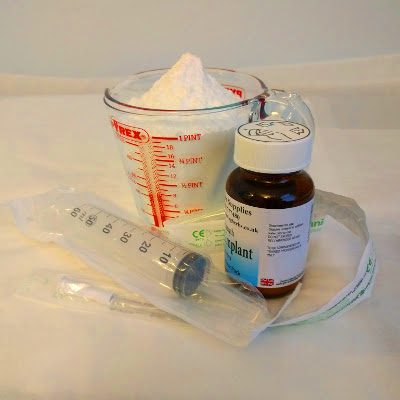
Probiotic implant and sodium bicarbonate colonic irrigation
Enhanced colonic irrigation in Holborn, Central London, combining a sodium bicarbonate colonic with a multi-strain probiotic implant, personal consultation and suitability screening.
This specialised appointment is particularly popular with clients interested in their digestive wellbeing after antibiotics, travel or a significant change in diet, as well as those who want to include probiotics in their colonic irrigation session. Book online and save 10%.
QUESTIONS & ANSWERS
Lymphatic stagnation: frequently asked questions
Is “lymphatic stagnation” the same as lymphoedema?
Not necessarily. “Lymphatic stagnation” is a general phrase used online, while lymphoedema is a medical condition involving impaired lymph drainage and tissue swelling. A clinician can assess whether symptoms suggest lymphoedema or another cause.
What are the most common signs of lymphatic stasis?
Persistent swelling, a feeling of heaviness or tightness, difficulty fitting clothing or jewellery, and changes to the skin can occur with lymphoedema. These signs are not specific, so medical assessment is advisable.
Can massage support lymphatic drainage?
Specialised manual lymphatic drainage is one component of recommended management for suitable patients with lymphoedema, alongside movement, compression and skin care. Parkland also offers dedicated lymphatic drainage wellbeing and post-operative services; suitability is assessed individually.
Is facial puffiness always caused by blocked lymph?
No. Facial puffiness has several possible explanations and should not automatically be labelled “blocked lymph”. Persistent or unexplained swelling is worth discussing with a healthcare professional.
Does colon hydrotherapy replace lymphatic drainage treatment?
These are different services. Parkland offers colon hydrotherapy for clients interested in professional bowel-focused wellbeing, and separate lymphatic drainage treatments for suitable massage and aftercare needs. Diagnosed lymphoedema should be managed through an appropriate clinical care plan.
Can I book a colonic course at Parkland Natural Health?
Yes. Parkland offers individual professional colonic irrigation appointments and structured courses, including the Sodium Bicarbonate Mini Detox featured above. Your therapist will discuss the treatment and check your suitability.
When should swelling be assessed urgently?
Seek medical advice promptly for sudden, unexplained or one-sided leg swelling, or for warm, painful skin with fever. Chest pain or breathing difficulty alongside swelling requires emergency assessment. Follow the NHS guidance on oedema and deep vein thrombosis.
Medical references and further reading
- NHS — Lymphoedema: overview, symptoms and causes.
- NHS — Lymphoedema: decongestive lymphatic therapy.
- Torgbenu et al. — Guidelines Relevant to Diagnosis, Assessment, and Management of Lymphedema: A Systematic Review (2022).
- Complete decongestive therapy phase 1: an expert consensus document (2024).
- NHS — Swollen ankles, feet and legs (oedema).
Editorial note: This article is for general education and does not diagnose lymphoedema or replace medical assessment. The lymphatic drainage and digestive treatments described are distinct services with separate suitability considerations.
HOLBORN · LONDON · PROFESSIONAL CARE
Choose the right wellbeing appointment at Parkland
Whether you are exploring lymphatic drainage massage or interested in the comfort and personalised experience of professional colonic irrigation, Parkland Natural Health offers a welcoming clinic setting, individual consultation and a choice of treatment options.
Visit 239 High Holborn, London WC1V 7EW, via Little Turnstile. Open 10:00–20:00, seven days a week. Telephone: 020 7193 8652.
Alternatively, view lymphatic drainage and massage treatments.
