
Blood sugar balance
Hypoglycaemia (low blood sugar): Refined carbohydrates and sugars are rapidly digested and raise blood sugar levels very quickly, well above the safe…

Hypoglycaemia (low blood sugar): Refined carbohydrates and sugars are rapidly digested and raise blood sugar levels very quickly, well above the safe…

Three of every four women will have a yeast infection at least once. However, candida infections affect both men and women.

The bowel structure is made from smooth muscle. It is different from regular body muscle in as much as it is under…
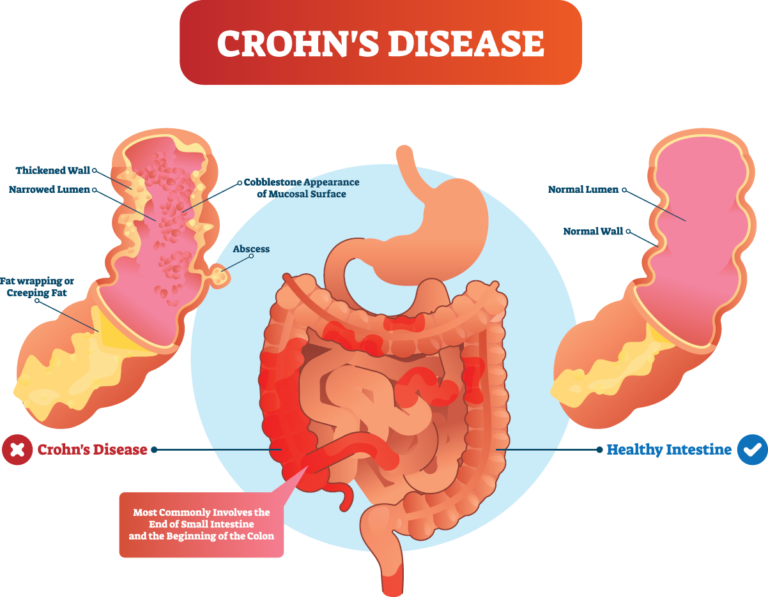
Pathology affects men and women equally and seems to run in some families. About 20 per cent of people with Crohn’s disease…

The British Journal of Clinical Practice says, “A high-fibre diet is effective in treating diverticulitis disease.” Research shows that fibre is essential…

Worried about the amount of fat you eat? Many people have become so obsessed with the fat content of food they are…

Fibromyalgia syndrome (FMS) is a rheumatic disorder characterised by chronic, achy muscular pain without obvious physical cause. It most commonly affects the…

Eggs are a common cause of allergy, particularly asthma, and we should not introduce them into a child’s diet before 12 months.

Caffeine can interfere with mineral absorption and increase the pancreas’s insulin, leading to hypoglycaemia. It may also seriously affect the digestive system.
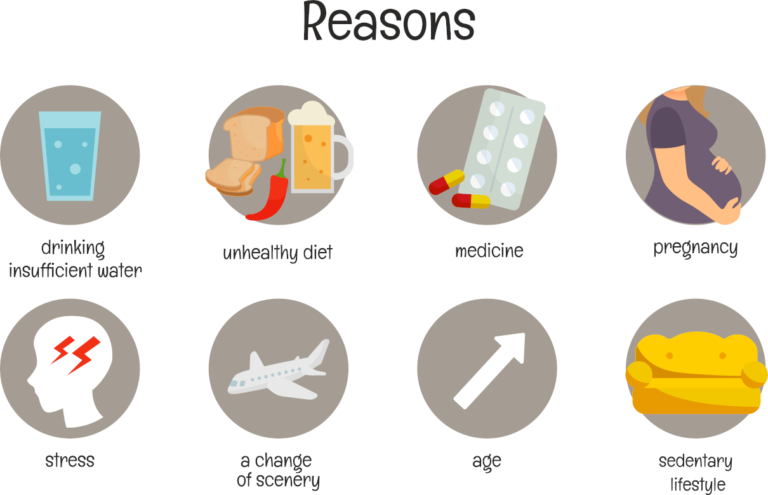
The most common cause of constipation is a diet low in fibre found in vegetables, fruits, and whole grains and high in…