
Understanding the causes of constipation can help you recognise why your bowel habits may have changed and what steps may help. Constipation is very common and can affect people of all ages. It does not simply mean that you have not opened your bowels every day, because normal bowel habits vary from person to person. You may be constipated if you pass stools less often than usual, have hard or lumpy stools, need to strain, or feel that your bowel has not emptied completely.
There are many possible causes of constipation. For example, diet, fluid intake, physical activity, medicines, stress and changes in routine can all play a part. Sometimes several factors are involved at the same time, while in other cases there may be no obvious cause.
Jump to: what constipation is · common causes · what may help · when to speak to a GP · colonic hydrotherapy
What is constipation?
According to the NHS guidance on constipation, you may be constipated if you are opening your bowels less often than usual, have fewer than three bowel movements in a week, pass unusually hard, dry or lumpy stools, need to strain, or feel that you have not completely emptied your bowels.
- you are opening your bowels less often than is normal for you;
- you have fewer than three bowel movements in a week;
- stools are unusually hard, dry or lumpy;
- you need to strain or find bowel movements painful;
- you feel that you have not completely emptied your bowels.
Constipation can also be accompanied by abdominal discomfort, bloating or nausea.
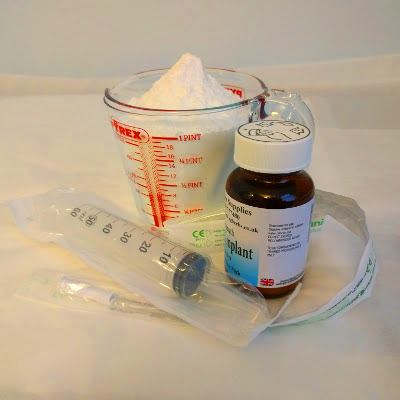
Probiotic Implant & Sodium Bicarbonate Colonic Irrigation
Enhanced colonic irrigation in Holborn, Central London, combining a sodium bicarbonate colonic with a multi-strain probiotic implant, personal consultation and suitability screening.
This specialised appointment is particularly popular with clients interested in their digestive wellbeing after antibiotics, travel or a significant change in diet, as well as those who want to include probiotics in their colonic irrigation session. Book online and save 10%.
Common causes of constipation
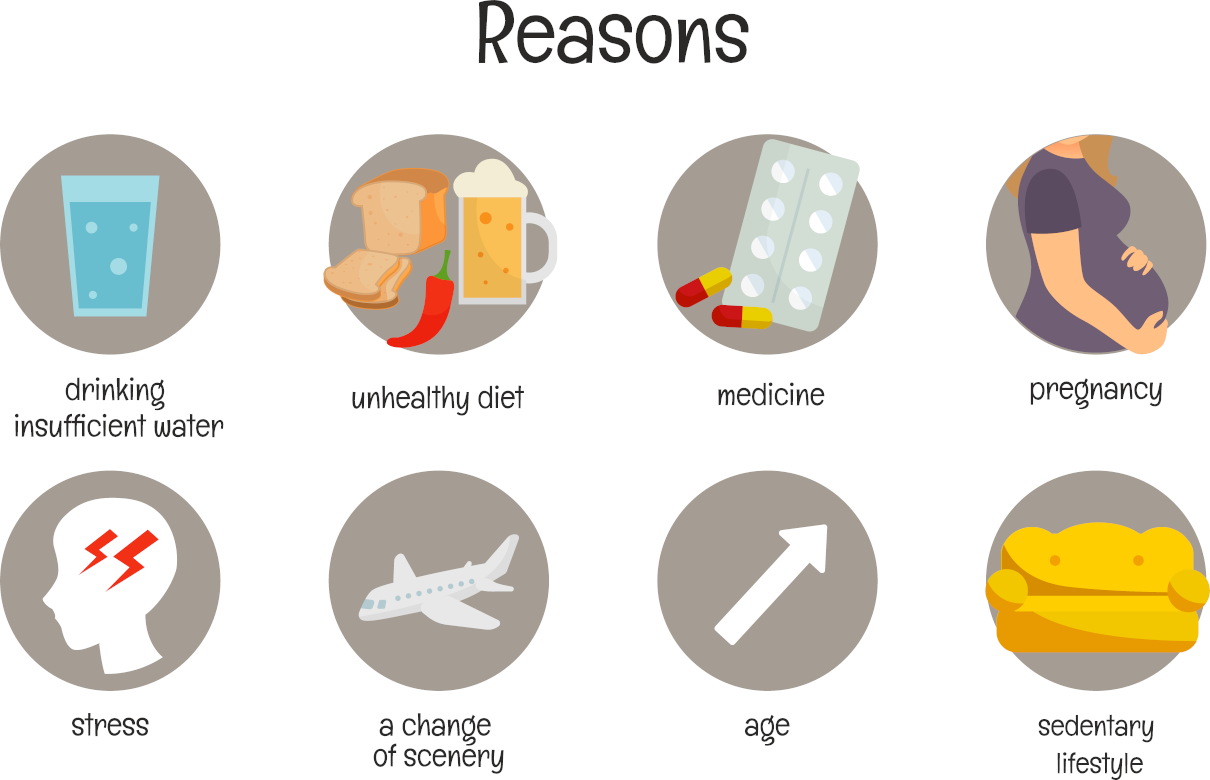
The digestive system is influenced by diet, fluid intake, movement, medicines, daily routine and general health. Therefore, constipation is not always caused by one single factor.
Diet-related causes of constipation: not enough fibre
Dietary fibre helps increase the bulk and softness of stools and can support normal bowel movements. Fruit, vegetables, whole grains, pulses, nuts and seeds are useful sources of fibre.
A 2022 systematic review and meta-analysis published in the American Journal of Clinical Nutrition found that fibre supplementation improved treatment response, stool frequency and stool consistency in adults with chronic constipation. However, increasing fibre very suddenly can also increase wind or bloating, so gradual changes may be more comfortable.
Some people with particular digestive conditions may need individual dietary advice rather than simply increasing fibre.
Not drinking enough fluid
Not drinking enough fluid can contribute to constipation. Adequate fluid intake can help stools remain softer, particularly when the amount of fibre in the diet is increased.
Individual fluid requirements vary, so there is no need to follow a fixed “eight glasses for everyone” rule. Water is a useful everyday choice, while other drinks and fluid-rich foods also contribute to overall hydration. If you have been advised to restrict fluids because of a heart, kidney or other medical condition, follow the advice of your healthcare professional.
Lifestyle causes of constipation: lack of physical activity
Reduced movement and spending long periods sitting or lying down can contribute to constipation. Regular physical activity may support bowel function.
A systematic review and meta-analysis of randomised controlled trials found that exercise may improve constipation symptoms, although the authors also noted limitations in the quality of the available studies.
Ignoring the urge to open your bowels
Regularly delaying a bowel movement can make constipation more likely. Some people suppress the urge because they are busy, uncomfortable using toilets outside the home or unable to access a toilet easily.
Where possible, allow enough time to use the toilet without rushing and respond when you naturally feel the urge.
Changes in routine, pregnancy and age
Travel, changes in diet, altered meal times, illness, stress and changes in sleeping patterns can temporarily affect bowel regularity. Constipation is also common during pregnancy and after giving birth, and it becomes more common with increasing age.
Other causes of constipation: medicines
Medicines are among the common causes of constipation that can sometimes be overlooked. Examples include some opioid painkillers, iron supplements, certain antidepressants, anticholinergic medicines, some anticonvulsants and some medicines used for cardiovascular conditions.
Do not stop prescribed medication simply because you think it may be affecting your bowel habits. Instead, discuss the problem with your GP or pharmacist, who can advise whether an adjustment or alternative may be appropriate.
Stress and bowel habits
The digestive system and nervous system are closely connected. Consequently, periods of stress, anxiety or significant changes in routine can affect bowel habits in some people.
However, persistent constipation should not automatically be attributed to stress. Other possible causes may still need to be considered.
IBS and other medical causes
Constipation can occur as part of irritable bowel syndrome, particularly when it is associated with abdominal discomfort, bloating or changes in stool frequency or consistency.
Other digestive or medical conditions can also cause changes in bowel habits. The NHS notes that constipation can occasionally be associated with an underlying medical condition. Persistent or unexplained symptoms should therefore be properly assessed rather than self-diagnosed.
What can help with occasional constipation?
Simple diet and lifestyle measures are often a sensible first step. Depending on your circumstances, these may include:
- gradually increasing fibre from foods such as fruit, vegetables, whole grains and pulses;
- drinking enough fluid for your individual needs;
- remaining physically active where possible;
- allowing enough time to use the toilet without rushing;
- responding to the natural urge to open your bowels rather than repeatedly delaying it.
The NHS also suggests that, where comfortable, placing your feet on a low stool so that your knees are slightly higher than your hips may make passing a stool easier. If diet and lifestyle measures are not helping, a pharmacist can advise whether a short-term laxative may be appropriate.
When the causes of constipation need medical assessment
Most causes of constipation are not serious, but a change in bowel habits should not automatically be assumed to be harmless. The NHS advises speaking to a GP if constipation is not improving, keeps returning, or is accompanied by other concerning symptoms.
- constipation that is not improving or regularly returns;
- regular bloating or abdominal pain;
- blood in your stool or rectal bleeding;
- unexplained weight loss;
- persistent tiredness;
- a sudden or significant change in your normal bowel habit;
- constipation that may be related to prescribed medication.
Persistent, severe or unexplained symptoms require appropriate medical assessment. Do not use complementary treatment as a substitute for medical investigation when warning signs are present.
What about colonic hydrotherapy?
Some people consider colonic hydrotherapy, also known as colonic irrigation, when they experience occasional constipation or a feeling of incomplete evacuation.
Colonic hydrotherapy involves introducing filtered, temperature-controlled water into the large intestine through specialist equipment. At Parkland Natural Health, treatment is provided using a closed-system, gravity-fed setup and begins with consultation and suitability screening.
The UK Advertising Standards Authority guidance on colon hydrotherapy notes that the therapy has previously been accepted as a treatment that may relieve occasional constipation. However, claims to treat chronic or serious constipation should be avoided.
Colon hydrotherapy should not be presented as a treatment for an underlying disease or as a substitute for appropriate medical care. If your constipation is persistent, unexplained or accompanied by warning signs, medical assessment may be more appropriate before treatment is considered.
For further professional information about colon hydrotherapy, you can also read the RICTAT colon hydrotherapy FAQs. RICTAT training standards include red-flag recognition, contraindications, health-history taking and assessment of whether colon hydrotherapy is appropriate for an individual client.
Not sure whether colonic hydrotherapy is relevant to you?
Start with our free Bowel Health Self-Assessment. It asks about bowel frequency, stool consistency, fluid intake, lifestyle and relevant health information. It does not diagnose a medical condition. Instead, it helps you explore your bowel-health pattern and whether a colonic hydrotherapy option may be worth discussing during a professional consultation.
5–8 minutes · Anonymous · No contact details · Answers not stored
Colonic hydrotherapy in Holborn, Central London
Parkland Natural Health has provided colonic hydrotherapy in Central London since 2005. Every appointment includes consultation and suitability screening before treatment begins.
If you are considering colonic hydrotherapy for occasional constipation and would like to explore whether it is suitable for you, a standard colonic irrigation appointment is the simplest starting point. You can also read our Colonic Irrigation FAQ for information about the procedure, preparation, suitability and what to expect.
Evidence and further reading
- NHS: Constipation — symptoms, common causes, self-care and when to see a GP
- PubMed: The Effect of Fiber Supplementation on Chronic Constipation in Adults — systematic review and meta-analysis
- PubMed: Exercise therapy in patients with constipation — systematic review and meta-analysis of randomised controlled trials
- ASA/CAP: Health — Colon hydrotherapy advertising guidance
- RICTAT: Colon hydrotherapy FAQs
This article explains common causes of constipation for general information only. It should not be used to diagnose the cause of your symptoms or replace individual medical advice. If you are concerned about persistent or unexplained bowel symptoms, speak to your GP or another appropriate healthcare professional.
