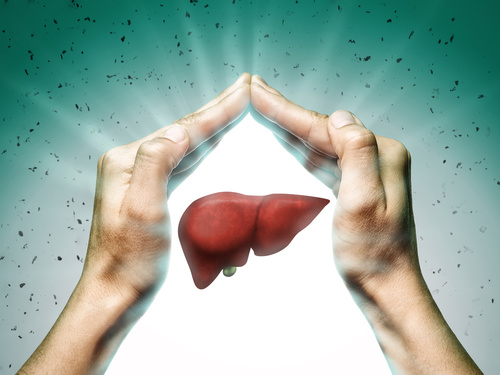
The liver is the largest organ in the body. It is multilobular, located directly below the diaphragm, and has several vital functions.
Liver functions
However, several of these functions merit mentioning. They are:
- Heparin production, which helps prevent blood from clotting in the vessels;
- Removal of dead and malfunctioning red blood cells from the circulatory system;
- Removal of toxins from the blood;
- Storage of absorbed nutrients;
- Storage of trace metals (copper and iron) and vitamins (A, D, E, and K), which are necessary for daily metabolic activity and
- Production of bile, which aids in the digestion of fats.
Compose
Firstly, hepatic cells produce bile, a yellow to green in colour substance, from cholesterol. Secondly, it constitutes bile salts, bile acids, lipids, and the pigments biliverdin and bilirubin. These pigments are products of red blood cell degradation and must leave the circulatory system. If a filter cannot remove them, the body will develop a pale yellowish tinge to its skin, a condition known as jaundice. Besides its excretory properties, bile is responsible for the emulsification of fats. It also neutralises chyme partially. Our digestive system can only absorb fatty acids and glycerol in the presence of bile salts. The gall bladder is attached to the underside of the liver, accumulating excess bile.
Liver & Gallbladder Herbal Colonic Irrigation
Specialised liver and gallbladder herbal colonic irrigation in Holborn, Central London, combining closed-system colon hydrotherapy with Practitioner Supplies Enema Herbs, a professional herbal blend formulated for enema use.
The blend contains red clover, raspberry leaf, burdock root, yellow dock and German chamomile. Parkland Natural Health has used this professional formulation for around 20 years, and it remains a popular choice among returning clients. Your appointment includes a personal consultation and suitability screening. Book online and save 10%.