0
£0.00

V Reiz

Mel McGrath

Bill G

juliana morgan

sy yong
| 5 stars | 166 |
| 4 stars | 7 |
| 3 stars | 2 |
| 2 stars | 0 |
| 1 stars | 0 |
Can colonic irrigation with sodium bicarbonate prevent cancer?

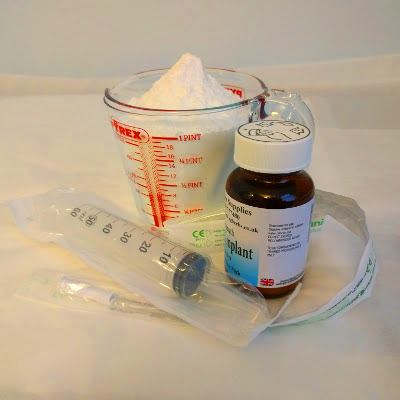
Sodium bicarbonate (bicarbonate of soda) can be offered as an optional add-on during a session. In practice, a small, diluted amount may be introduced into the irrigation fluid. It is not a medicine, and it should not be promoted as a way to prevent, diagnose or treat cancer.
Cancer remains a major health challenge, and research into prevention and treatment continues. If you have symptoms that worry you (such as rectal bleeding, persistent changes in bowel habit, unexplained weight loss, or severe abdominal pain), seek medical advice promptly. A colonic should never replace GP care, screening, or hospital treatment.
Experiments with sodium bicarbonate
Scientists have explored sodium bicarbonate in the context of tumour acidity (pH). Many tumours create an acidic micro-environment, and buffering that acidity is a topic of research. In one small clinical study, Chao et al. (2016) reported that adding a 5% sodium bicarbonate solution during a specialist hospital procedure for liver cancer (TACE for hepatocellular carcinoma) was associated with a higher objective response rate than TACE alone. This was a targeted, intratumour approach performed by medical teams, not a bowel cleanse, and it does not demonstrate cancer prevention.
Researchers have suggested that altering acidity may influence how tumour cells survive and respond to treatment. However, these findings are complex and often preliminary, and any benefits may be limited to particular localised tumours under controlled medical conditions. They do not support claims that bicarbonate “cures cancer”, works for metastatic disease, or can be applied through colon hydrotherapy.
Colonic irrigation and cancer-related claims
It is not accurate to state that a bicarbonate colonic reduces the risk of colon cancer. There is no robust evidence that colon hydrotherapy removes “toxins” or “carcinogens” in a way that prevents malignancy. Cancer risk is influenced by factors such as age, family history, diet, smoking, alcohol, obesity, activity levels, and participation in screening programmes.
Colonic irrigation also has potential risks, including discomfort, dehydration, and electrolyte imbalances, and it is not suitable for everyone. Tell your therapist about your medical history, and avoid booking if you have inflammatory bowel disease, bowel obstruction, recent abdominal surgery, significant heart or kidney problems, or if you are under oncology care unless your clinician approves.
A sodium bicarbonate option may be chosen for personal comfort at a clinic such as Parkland Natural Health in London (Holborn), but it should be viewed as part of a wellbeing service rather than a therapeutic intervention. Always choose a reputable clinic, follow pre- and post-care guidance, and speak with a healthcare professional if you have any medical concerns.