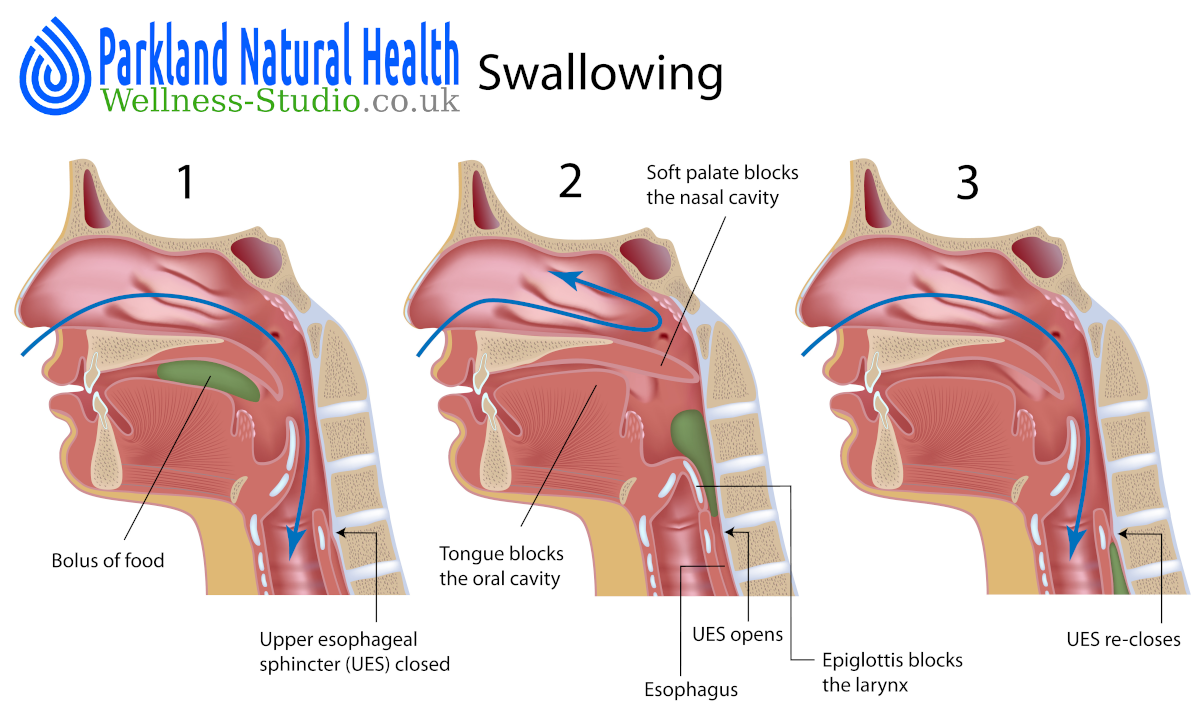
Pharynx and oesophagus – There are three stages to swallowing:
- The voluntary forcing of food from the oral cavity into the pharynx; at this point, swallowing becomes a reflex action;
- The passing of food from the pharynx to the oesophagus; pharyngeal nerves stimulate the trachea, eustachian tubes and the posterior opening of the nasopharynx to close. The tongue prevents food from reentering the mouth. So, the only place left for the food to go is into the oesophagus;
- Gravity aids in the passage of food from this organ to the stomach. Muscular contractions (peristalsis) push food from one end of the oesophagus to the other. This occurs through alternate contractions of circular and longitudinal muscles in the oesophagal wall.

One colonic irrigation session including consultation
Closed-system colonic irrigation in Holborn, Central London, with consultation and suitability screening included. A popular first appointment for clients looking to feel less bloated, lighter and more comfortable, or seeking support for constipation, trapped wind and a sluggish or irregular bowel. Book online and save 10%.
Pharynx and stomach
The last four centimetres of the oesophagus is the cardiac sphincter. So, a muscular valve prevents the stomach contents from reentering the oesophagus. However, most of this organ (about nine inches) lies within the thoracic cavity. And it is subject to subatmospheric pressures, as are the lungs. That is because the cardiac sphincter lies below the diaphragm. Moreover, it is subject to 5 to 10 mm/Hg of pressure higher than the atmosphere. This higher pressure would force the stomach contents back into the oesophagus if the cardiac sphincter were absent.
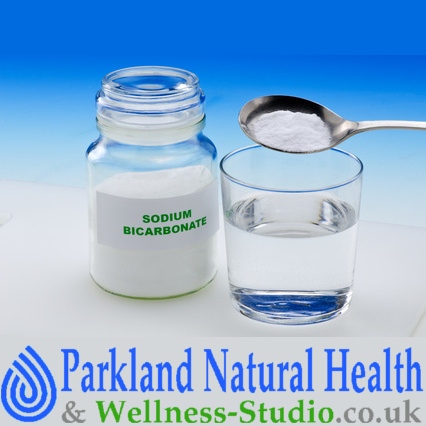
Sodium Bicarbonate Colonic Irrigation
Specialised sodium bicarbonate colonic irrigation in Holborn, Central London, combining closed-system colon hydrotherapy with a carefully prepared sodium bicarbonate solution. This enhanced option is chosen by clients interested in digestive wellbeing and in the scientific research into sodium bicarbonate’s antifungal activity against Candida in laboratory models.
Personal consultation and suitability screening are included. Book online and save 10%.