
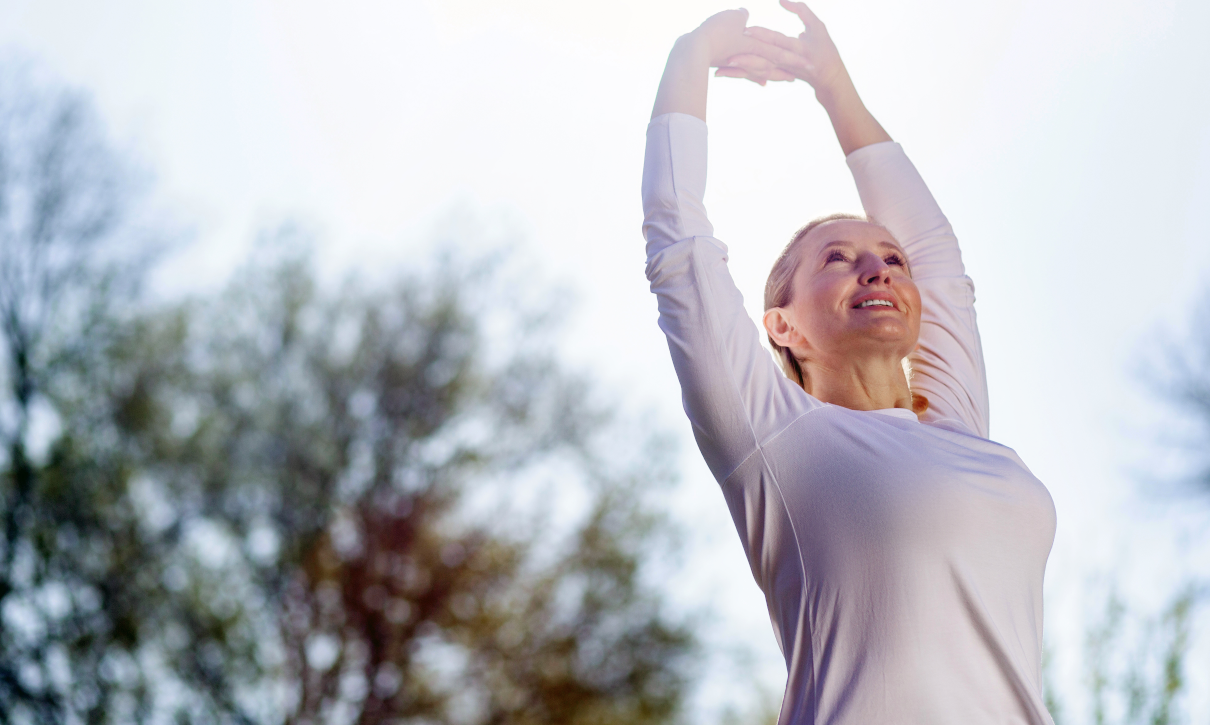
Any detox program begins with bowel cleansing. Health and appearance improve noticeably after such a “general cleaning”. Subsequently, exercises for cleaning the intestines will help improve the body as a whole.
Health begins with a clean bowel, which is not an exaggeration! Firstly, the intestinal condition affects the skin after colon cleansing. So, many skin problems disappear or decrease, and the complexion improves. Also, the skin becomes brighter, smoother and more radiant. The state of health advances, vivacity, and ease appear.
Secondly, the absorption of valuable substances from food improves. As a result, appetite decreases, and body weight drops. As is typical, seemingly non-intestinal problems such as migraines, shortness of breath, and some heart diseases usually disappear or shrink.
Position
Improper position during bowel movements complicates daily bowel cleansing, leading to constipation and incomplete elimination. All it needs is a squatty potty in front of the toilet, which will serve as a footrest. After going to the bathroom, some faeces often remain inside.
The second position imitates the natural squatting position, as intended by nature. Sit on the toilet with your feet on the squatty potty and slightly tilt your body forward. In this position, nothing prevents intestinal elimination.
Spring Cleanse – 6 Colonic Irrigation Course
Spring Cleanse is a structured course of six colonic irrigation sessions in Holborn, Central London, designed for clients who want a longer programme rather than a single appointment or short three-session course.
The course is particularly popular with clients interested in bowel regularity, incomplete emptying, bloating or a sluggish bowel. Consultation and suitability screening are included, and your therapist can review your response between appointments. Book the course online and save 18%.
Exercises for cleaning the intestines and colon hydrotherapy
Meanwhile, in many cases, changing this habit alone can help those who have suffered from constipation for years. It may also take some time for you to get used to the new position. But the result is worth it.
Insufficient physical activity is another common cause of constipation and other problems with digestion and metabolism. Physical exercises can compensate for many nutritional errors. However, it’s impossible to replace physical movement with any diet. Physical activities also protect the body from accumulated waste after cleaning the intestines.
Lifestyle
If you have a sedentary lifestyle, do not expect more severe symptoms than constipation. Get up from your chair and go to a gym or park to walk, or leave the table and do some squats. You can even do a few exercises without getting up from the chair. After cleaning the intestines, physical activities will be a great addition to colonic hydrotherapy.

Food intolerance test of 208 ingredients
This is our most comprehensive food and drink test. It analyses your client’s IgG antibody reactions to 208 food and drink ingredients. This test will highlight their food triggers and help you formulate an IgG-guided elimination diet together.
