
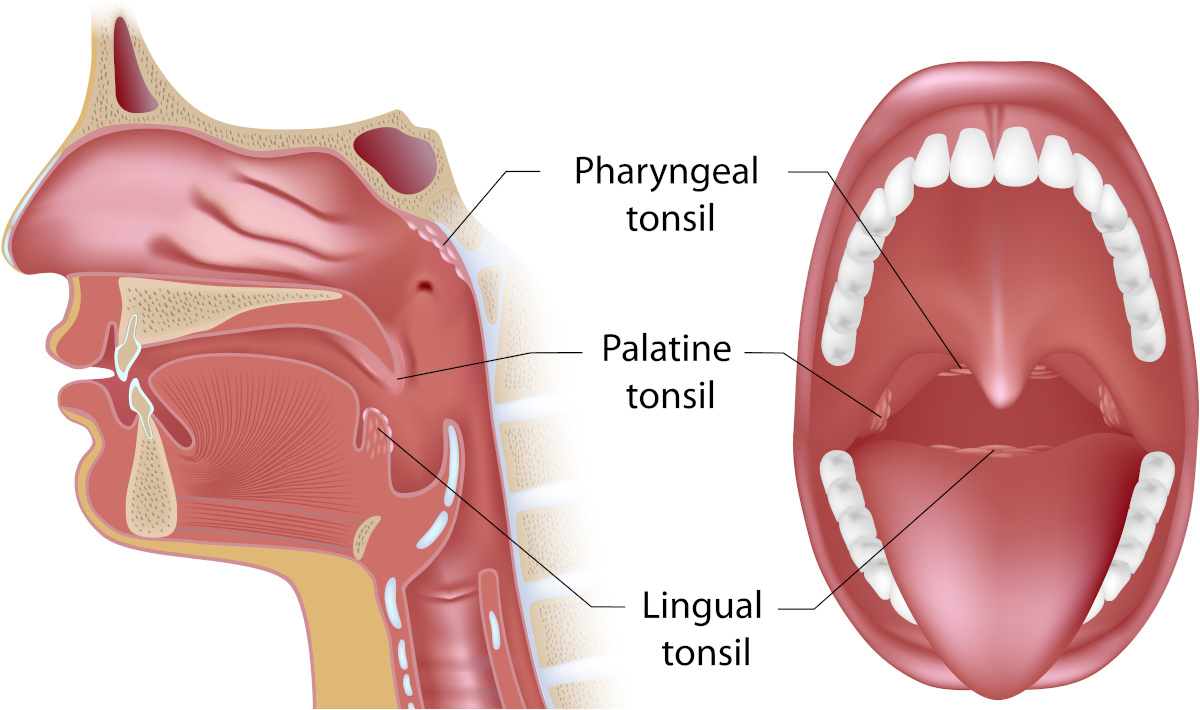
MOUTH FUNCTION & ORAL CAVITY
What is the function of the mouth?
The mouth function is much broader than simply allowing food to enter the body. The mouth receives food and drink, chews solid food, mixes it with saliva, begins chemical digestion, detects taste, forms food into a bolus and starts the process of swallowing.
The oral cavity is another name for the mouth; it also contributes to speech, facial expression and protection of the tissues and teeth within the oral environment.
In digestive anatomy, the mouth is the first part of the gastrointestinal tract and the place where both mechanical and chemical digestion begin.
Mouth function: main roles of the oral cavity
The different structures of the oral cavity work together rather than performing a single task. Their main functions include the following.
Receiving food and drink
The lips, cheeks, tongue and jaws help receive and contain food and liquid. The lips also help create a seal during eating and drinking.
Chewing food
Teeth mechanically break solid food into smaller particles. This process is called mastication. The tongue and cheeks keep food positioned between the teeth and mix it with saliva.
Mixing food with saliva
Saliva moistens and lubricates food. This makes chewing easier and helps the tongue form food into a cohesive mass called a bolus before swallowing.
Beginning digestion
Mechanical digestion starts with chewing. Chemical digestion also begins in the mouth because salivary amylase starts breaking down starch, while lingual lipase contributes to fat digestion.
Taste
Food molecules dissolve in saliva so that they can interact with taste receptors. The tongue and other oral tissues therefore contribute to the perception of taste.
Starting swallowing
The tongue positions the bolus and pushes it backwards towards the pharynx. This oral phase is the voluntary beginning of the swallowing process.
Speech and articulation
The tongue, lips, teeth, palate and jaws also help shape sounds during speech. This is an important non-digestive function of the mouth.

Liver & Gallbladder Herbal Colonic Irrigation
Specialised liver and gallbladder herbal colonic irrigation in Holborn, Central London, combining closed-system colon hydrotherapy with Practitioner Supplies Enema Herbs, a professional herbal blend formulated for enema use.
The blend contains red clover, raspberry leaf, burdock root, yellow dock and German chamomile. Parkland Natural Health has used this professional formulation for around 20 years, and it remains a popular choice among returning clients. Your appointment includes a personal consultation and suitability screening. Book online and save 10%.
Parts of the mouth and their functions
The function of the mouth depends on several structures working together.
| Structure | Main functions |
|---|---|
| Lips and cheeks | Help receive food, maintain a seal and keep food positioned between the teeth. |
| Teeth | Cut, tear and grind food during mastication and also contribute to speech articulation. |
| Tongue | Moves and mixes food, contributes to taste, forms the bolus and helps initiate swallowing and speech. |
| Hard palate | Forms the firm anterior roof of the mouth and provides a surface against which the tongue can manipulate food. |
| Soft palate | Forms the flexible posterior part of the roof of the mouth and participates in swallowing and speech. |
| Salivary glands | Produce saliva for lubrication, buffering, oral protection, taste and the beginning of chemical digestion. |
Mouth function and saliva
Saliva is produced by numerous small salivary glands and by three pairs of major glands: the parotid, submandibular and sublingual glands.
Approximately 98–99.5% of saliva is water. The remaining components include ions, mucus-forming glycoproteins, enzymes and proteins with several important functions.
Lubrication
Mucins and water moisten food and oral tissues, making chewing, bolus formation and swallowing easier.
Buffering
Bicarbonate and phosphate ions help buffer acids and contribute to maintaining a suitable environment within the mouth.
Taste
Saliva dissolves many food molecules so they can reach and stimulate taste receptors.
Carbohydrate digestion
Salivary amylase, sometimes called ptyalin, begins the chemical digestion of dietary starch.
Oral protection
Saliva helps wash the mouth and contains antimicrobial proteins, including lysozyme, as well as other protective substances.
Tooth and tissue protection
Saliva helps maintain moisture, contributes to buffering and supplies minerals involved in maintaining the tooth surface.
How does digestion begin in the mouth?
Digestion begins as soon as food enters the oral cavity. Two processes take place at the same time.
Mechanical digestion
Teeth break solid food into smaller pieces while the tongue, cheeks and jaw movements mix it with saliva. Breaking food into smaller particles increases the surface area available to digestive enzymes.
Chemical digestion
Salivary amylase begins breaking down starch. Lingual lipase, secreted by glands associated with the tongue, contributes to lipid digestion and continues to act after food leaves the mouth.
Only the early stages of digestion occur in the mouth because food normally remains there for a relatively short time. Digestion continues in the stomach and, especially, the small intestine.
How does the mouth prepare food for swallowing?
During chewing, the tongue continually moves food and mixes it with saliva. This produces a moist, cohesive bolus that can be moved towards the back of the mouth.
During the voluntary oral phase of swallowing, the tongue presses against the palate and propels the bolus towards the pharynx. The later pharyngeal and oesophageal phases then continue the movement towards the stomach.
What are palatal rugae?
Palatal rugae are the irregular ridges on the anterior part of the hard palate. They help provide texture and friction between the tongue, palate and food during oral processing.
Mouth function: frequently asked questions
What is the main function of the mouth?
The mouth has several closely connected functions. In digestion, it receives food, mechanically breaks it down by chewing, mixes it with saliva, begins chemical digestion and forms a bolus ready for swallowing.
What does the mouth do?
The mouth is involved in eating, chewing, saliva production, the beginning of digestion, taste, swallowing and speech. Its structures also help protect oral tissues and teeth.
What is the function of the oral cavity?
The oral cavity receives food and liquid, supports mastication, mixes food with saliva, begins digestion, detects taste, forms a bolus and starts swallowing. It also contributes to speech and oral protection.
Does digestion begin in the mouth?
Yes. Mechanical digestion begins when the teeth chew food, and chemical digestion begins when food mixes with enzymes including salivary amylase. Lingual lipase also contributes to the early digestion of fats.
What is the role of saliva in the mouth?
Saliva moistens and lubricates food, assists taste, buffers acids, helps protect oral tissues and teeth, and contains salivary amylase that begins starch digestion.
Which glands produce saliva?
The three pairs of major salivary glands are the parotid, submandibular and sublingual glands. Numerous smaller salivary glands in the oral tissues also contribute saliva.
Continue through the digestive system
The mouth is only the beginning of the digestive tract. Continue with our educational guides to the stomach, small intestine and large intestine.
Sources and further reading
- OpenStax Anatomy and Physiology: The Mouth, Pharynx and Esophagus
- NCBI Bookshelf: Physiology, Salivation
- NCBI Bookshelf: Anatomy, Head and Neck, Swallowing
This article provides general educational information about normal mouth and oral-cavity anatomy and physiology. It is not intended to diagnose oral or digestive symptoms or replace individual medical advice.
