
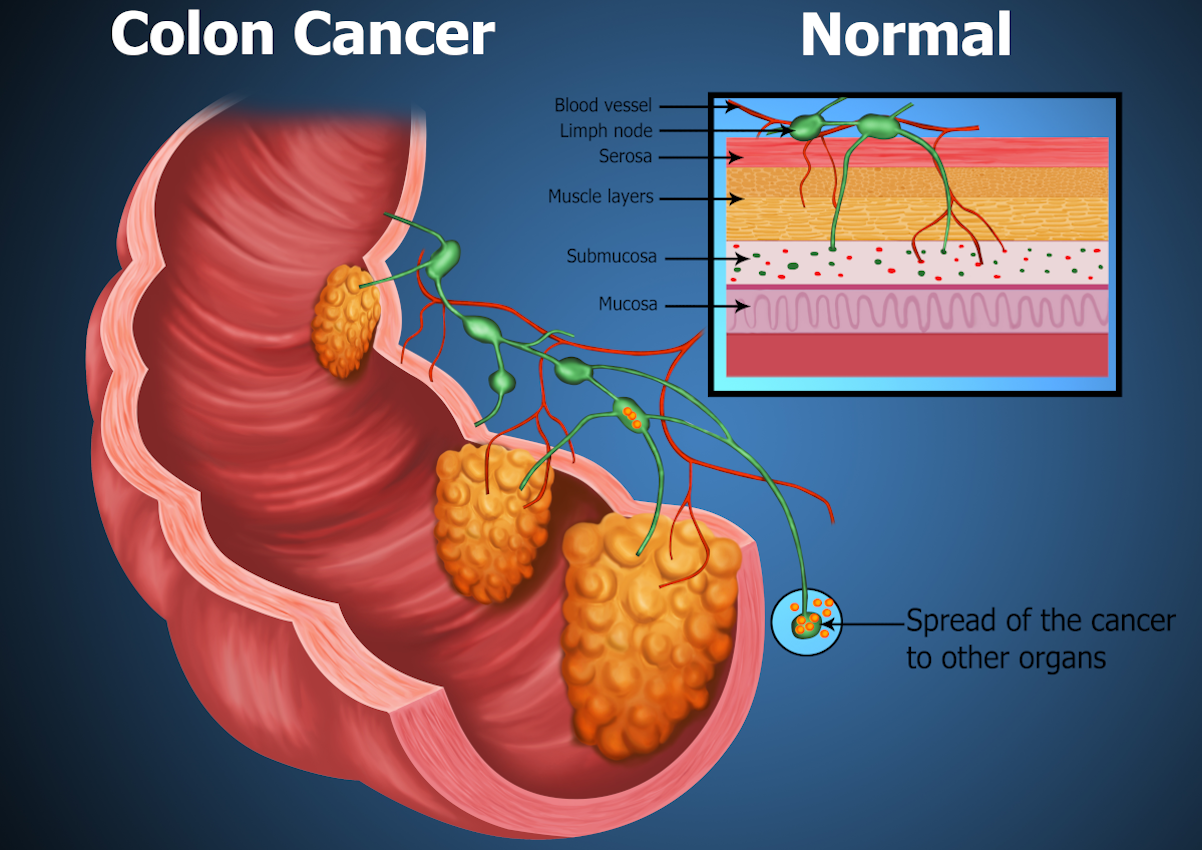
A stool test for bowel cancer, usually called a faecal immunochemical test or FIT, checks a small stool sample for tiny traces of human blood. The test can help doctors decide who needs further investigation for possible bowel cancer.
FIT does not diagnose bowel cancer. Instead, it measures blood in the stool that you may not be able to see. Many conditions can cause this bleeding, so an abnormal result does not automatically mean cancer.
Key point
A normal FIT result lowers the likelihood of bowel cancer, but it does not completely rule it out. Contact your GP again if symptoms continue, change or become worse.
How does a stool test for bowel cancer work?
FIT stands for faecal immunochemical test. It detects human haemoglobin, a protein in blood, in a stool sample.
You normally collect a small sample at home with the stick supplied in the test kit. A laboratory then measures the amount of blood in the sample.
The test can detect amounts of blood that are too small to see. As a result, FIT can help doctors assess people who have symptoms that might need further investigation.
Why do doctors use a stool test for bowel cancer?
Bowel cancers can bleed. However, that bleeding may happen in tiny amounts and may not make the stool look visibly bloody.
FIT gives the GP an objective measurement of blood in the sample. The result helps the GP decide whether a person should enter a specialist colorectal investigation pathway.
NICE recommends FIT for many adults with symptoms that could suggest colorectal cancer. These include a change in bowel habit, iron-deficiency anaemia and certain combinations of abdominal pain, weight loss or rectal bleeding.
What does a positive FIT result mean?
A positive FIT means the laboratory found blood in the stool above the relevant threshold. It does not mean that you definitely have bowel cancer.
Other conditions can also cause blood in the bowel. These include polyps, haemorrhoids and other gastrointestinal conditions.
However, doctors need to investigate an abnormal result because bowel cancer remains one possible cause.
Symptomatic FIT threshold
For people with symptoms in England, NICE recommends a suspected colorectal cancer pathway referral when FIT measures at least 10 micrograms of haemoglobin per gram of faeces (10 µg Hb/g).
The doctor must still consider your symptoms and the overall clinical picture. A number on a laboratory report should not replace clinical judgement.
What does a negative FIT result mean?
A negative or low FIT result means the test did not find blood above the relevant threshold. For most people, this makes bowel cancer less likely.
However, FIT cannot rule out every bowel cancer. Some cancers may bleed intermittently, and some people with bowel cancer can have a normal FIT result.
Therefore, your GP should consider your symptoms as well as the test result.
Do not ignore continuing symptoms
Return to your GP if symptoms continue, change or become worse, even after a normal FIT. NICE recommends safety-netting when FIT falls below the referral threshold and advises clinicians not to delay referral when strong concern remains.
What happens after an abnormal FIT?
Your GP may refer you to a specialist colorectal service when the result and your symptoms meet the referral criteria.
The specialist team can then decide which investigation you need. Many people need a colonoscopy, although doctors may choose another test in some circumstances.
A colonoscopy allows the specialist to examine the bowel lining directly. If they find a suspicious area, they can take a biopsy for laboratory analysis.
Read our guide to FIT, blood tests, colonoscopy, biopsy and scans used to investigate bowel cancer.
Can blood in the stool come from something other than cancer?
Yes. A FIT result detects blood, not cancer cells. Several non-cancerous conditions can cause bleeding from the bowel or anus.
For example, haemorrhoids and bowel polyps can cause bleeding. Other gastrointestinal conditions can also contribute.
For this reason, doctors use FIT as part of a wider assessment rather than as a cancer diagnosis.
FIT for symptoms and FIT for screening are different
The NHS uses FIT in two different situations: investigating people who have symptoms and screening people who do not have symptoms.
These pathways use different criteria and thresholds. Therefore, you should not compare a symptomatic FIT result directly with a routine screening result.
In England, the NHS bowel cancer screening programme currently offers a home FIT kit every two years to eligible people aged 50 to 74. People aged 75 or over can request a kit every two years.
Screening aims to detect possible disease before symptoms appear. In contrast, symptomatic FIT helps doctors investigate people who already have relevant symptoms.
What if I had a normal NHS screening test?
A previous normal screening result should not stop you from contacting your GP about new bowel symptoms.
NICE specifically recommends symptomatic FIT when appropriate even if a person previously received a negative result through the NHS bowel cancer screening programme.
Screening looks at risk at one point in time. New symptoms need their own assessment.
Can you buy a FIT test yourself?
Private and pharmacy stool tests are available, but a home result should not replace medical assessment when you have concerning symptoms.
Your GP can interpret a FIT result alongside your symptoms, examination and medical history. They can also arrange referral or further testing when necessary.
What symptoms should you discuss with your GP?
Talk to your GP about persistent or unexplained bowel changes, especially when they are unusual for you.
- A persistent change in bowel habit
- Blood in or from the bowel
- Unexplained abdominal pain
- Unexplained weight loss
- Iron-deficiency anaemia
- A lump or swelling in the abdomen
These symptoms can have many causes. However, your GP can assess them and decide whether you need FIT or another investigation.
Read more about bowel cancer symptoms and warning signs.
Can colon hydrotherapy replace a FIT test?
No. Colon hydrotherapy cannot test for, diagnose, exclude or treat bowel cancer.
If symptoms require investigation, medical testing should come first. FIT, colonoscopy, biopsy and other clinical investigations answer questions that colon hydrotherapy cannot answer.
At Parkland Natural Health, we screen clients for suitability before treatment. When symptoms suggest that a person needs medical investigation, we advise them to seek appropriate medical assessment first.
Frequently asked questions about FIT
Does a positive FIT mean I have bowel cancer?
No. FIT detects blood in the stool. Several non-cancerous conditions can also cause bleeding. Doctors use further investigations to find the cause.
Can bowel cancer give a negative FIT result?
Yes. A normal FIT makes bowel cancer less likely, but it cannot completely exclude it. Persistent or worsening symptoms still need medical review.
Do I need a colonoscopy after FIT?
Not everyone needs one. Your FIT result, symptoms and clinical assessment help the medical team decide what investigation you need next.
Is FIT the same as bowel cancer screening?
The test technology is similar, but doctors use FIT differently for people with symptoms and for routine screening. The pathways and thresholds are not the same.
Trusted information about FIT and bowel cancer
For further information, refer to current guidance from the NHS, NICE and Cancer Research UK. NICE updated its suspected cancer referral guideline in April 2026.
- NICE: Suspected cancer – colorectal cancer referral recommendations
- NHS: Bowel cancer screening
- Cancer Research UK: FIT testing for people with symptoms
Medical information notice: This article provides general information about stool tests for bowel cancer. It does not diagnose cancer and cannot replace assessment by a GP or specialist. Your doctor should interpret FIT alongside your symptoms, medical history and other findings.
