
ADRENAL FATIGUE, STRESS & TIREDNESS
What is adrenal fatigue?
“Adrenal fatigue” is a popular term used to describe symptoms such as persistent tiredness, poor sleep, difficulty concentrating and feeling unable to cope with stress. However, it is not a recognised medical diagnosis.
No strong scientific evidence shows that ordinary psychological or physical stress causes healthy adrenal glands to become exhausted or unable to produce enough cortisol.
The symptoms attributed to adrenal fatigue can still be very real. The important point is that they may have other explanations, including chronic stress, poor sleep, anxiety or depression, anaemia, thyroid problems, sleep apnoea, diabetes, medication effects or other medical conditions.
The symptoms are real
Persistent fatigue, poor sleep and difficulty concentrating deserve attention even when “adrenal fatigue” is not the correct medical explanation.
Stress can affect health
Long-term stress can affect sleep, mood, concentration, appetite and physical wellbeing without “wearing out” the adrenal glands.
Adrenal insufficiency is different
True adrenal insufficiency is a recognised endocrine disorder in which the body does not produce enough cortisol and requires proper medical diagnosis and treatment.

Probiotic implant and colonic irrigation
Professional colonic irrigation with a high-strength multi-strain probiotic implant at Parkland Natural Health in Holborn, Central London.
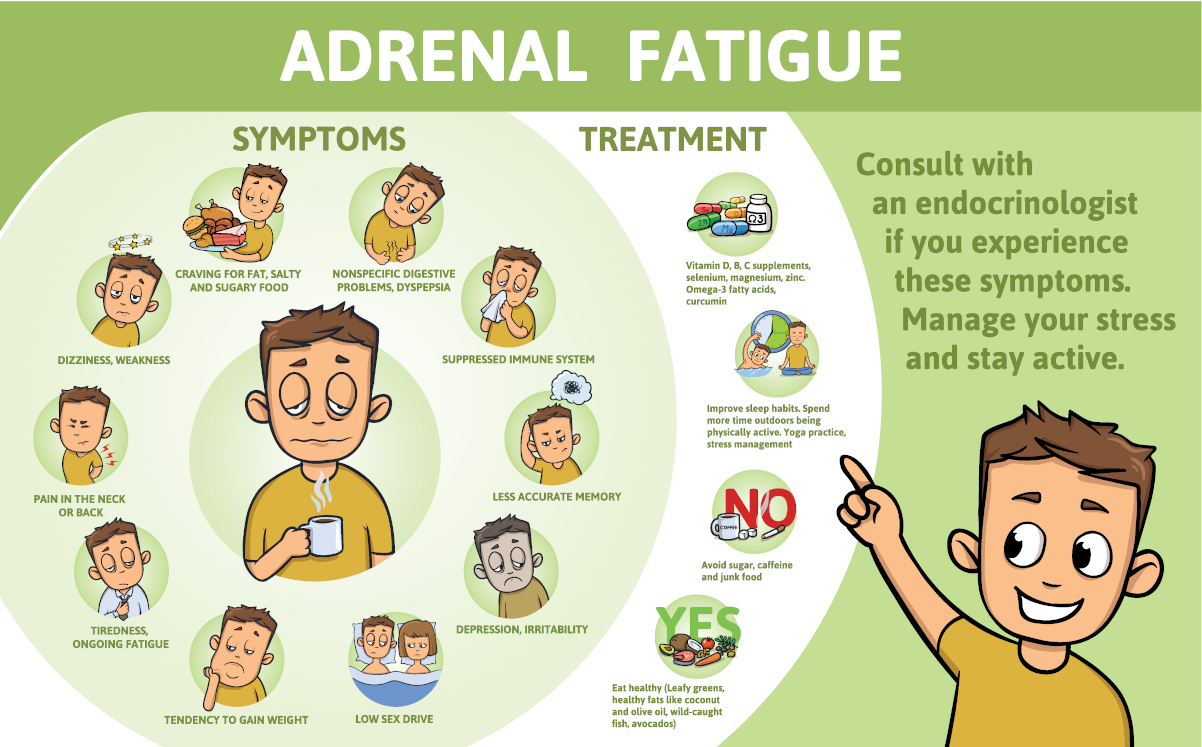
Adrenal fatigue symptoms: what do people mean?
People searching for adrenal fatigue symptoms often describe a group of non-specific problems rather than a clearly defined disease.
- persistent tiredness or low energy;
- difficulty waking in the morning;
- poor-quality sleep or insomnia;
- difficulty concentrating or “brain fog”;
- feeling overwhelmed by stress;
- low mood or irritability;
- relying heavily on caffeine to stay alert;
- changes in appetite or food cravings.
These symptoms do not prove that the adrenal glands are malfunctioning. They occur in many common situations and medical conditions, so assess persistent fatigue based on the overall pattern of symptoms.
Adrenal stress: what actually happens when we are stressed?
The adrenal glands play an important role in the body’s response to stress. They produce hormones including cortisol and adrenaline-related hormones that help the body respond to changing demands.
However, cortisol is not simply a “stress hormone”. It also affects metabolism, blood pressure, immune regulation, and the body’s daily sleep-wake rhythm.
Psychological stress can cause genuine physical and emotional symptoms. NHS guidance lists problems such as headaches, muscle tension, stomach symptoms, faster heartbeat, difficulty concentrating, feeling overwhelmed, irritability and changes in sleep or eating.
This does not mean that stress progressively exhausts otherwise healthy adrenal glands.
Does chronic stress cause adrenal fatigue?
Current endocrine evidence does not support the theory that chronic stress causes the adrenal glands to become “fatigued”, “burnt out” or depleted in otherwise healthy people.
Long-term stress can nevertheless affect health through other pathways. It may disrupt sleep, change eating or drinking habits, contribute to anxiety or low mood and make existing health problems harder to manage.
So it helps to address chronic stress, but that is different from treating an assumed failure of the adrenal glands.
Adrenal fatigue vs adrenal insufficiency
This distinction is important because adrenal insufficiency is a real medical condition.
| “Adrenal fatigue” | Adrenal insufficiency | |
|---|---|---|
| Medical diagnosis? | No recognised diagnostic condition | Yes |
| Cause | Proposed theory that stress exhausts the adrenal glands; not supported by good evidence | Failure of the adrenal glands or their hormonal control system to produce enough cortisol |
| Diagnostic test | No validated diagnostic test | Blood hormone testing and, when appropriate, stimulation testing |
| Treatment | No evidence-based adrenal-fatigue treatment | Medical hormone replacement when confirmed |
Symptoms of true adrenal insufficiency
Primary adrenal insufficiency is also known as Addison’s disease. It is uncommon, but because fatigue can occur in both adrenal insufficiency and many more common conditions, the diagnosis cannot be made from tiredness alone.
- significant fatigue and muscle weakness;
- reduced appetite and unexplained weight loss;
- dizziness or light-headedness, particularly when standing;
- low blood pressure;
- nausea, vomiting or abdominal discomfort;
- salt cravings in primary adrenal insufficiency;
- darkening of areas of skin in some people with Addison’s disease.
If symptoms raise concern about adrenal insufficiency, seek medical evaluation rather than relying on an online adrenal-fatigue questionnaire or self-treating with supplements.
Is there an adrenal fatigue test?
No validated medical test exists for adrenal fatigue. The Endocrine Society advises that saliva or blood tests marketed specifically to diagnose adrenal fatigue lack strong scientific support.
This is different from medical testing for suspected adrenal insufficiency. Depending on the situation, an endocrinologist may use blood cortisol and ACTH measurements and a Synacthen stimulation test to assess whether the adrenal glands are producing enough cortisol.
A single uncontextualised cortisol result should not be interpreted as proof of “adrenal fatigue”. Cortisol levels change during the day, and medical interpretation depends on timing, symptoms, medicines and the clinical situation.
If it is not adrenal fatigue, what else can cause persistent tiredness?
Fatigue is extremely common and can have many causes. NHS guidance includes causes such as:
- poor sleep or insomnia;
- stress, anxiety or depression;
- iron-deficiency anaemia;
- thyroid disease;
- diabetes;
- sleep apnoea;
- hormonal changes;
- infections and other illnesses;
- medicines or medical treatments;
- ME/CFS in an appropriate symptom pattern.
That is why it’s better to approach persistent fatigue by looking for its actual cause rather than assuming the adrenal glands have become exhausted.
Adrenal fatigue treatment: what may actually help?
Because adrenal fatigue is not a recognised medical diagnosis, no evidence-based treatment specifically designed to “restore” fatigued adrenal glands exists.
However, several practical measures may help when tiredness is related to stress, disrupted sleep or lifestyle factors:
- maintaining regular sleep and waking times;
- eating a varied, balanced diet;
- taking regular physical activity at a level appropriate for your health;
- reducing excessive caffeine, particularly later in the day;
- avoiding excessive alcohol;
- not smoking;
- making time for relaxation and recovery;
- addressing persistent work, family or emotional stress;
- seeking professional help when stress, anxiety, low mood or fatigue is affecting everyday life.
If an underlying condition is found, treatment should target that condition rather than an assumed adrenal-fatigue syndrome.
Be cautious with “adrenal support” supplements
Products marketed for adrenal fatigue may contain vitamins, herbs or hormone-related ingredients, but they have not been shown to correct an adrenal-fatigue disorder.
Hormonal or steroid-containing products are particularly important to approach cautiously. Taking adrenal hormones when they are not medically required can interfere with the body’s own hormone regulation.
If you are considering supplements because of persistent fatigue, discuss them with a doctor or pharmacist, particularly if you take prescription medicines or have an endocrine condition.
Alcohol, caffeine and stress
Caffeine
Caffeine can temporarily increase alertness. However, excessive caffeine or caffeine late in the day may worsen anxiety, palpitations or sleep problems in some people. If you consume large amounts, reducing it gradually may help avoid withdrawal headaches and tiredness.
Alcohol
Alcohol is sometimes used to relax during stressful periods, but it can disrupt sleep and worsen mood or anxiety in some people. Regular heavy drinking also carries wider health risks.
Food and nutrition
A balanced diet supports general health, but no special “adrenal fatigue diet” has been proven to restore adrenal function. Restrictive diets and high-dose vitamin protocols aren’t necessary just because someone feels stressed or tired.
When should persistent fatigue be checked?
NHS guidance recommends speaking to a GP if you have been tired for several weeks without knowing why, if fatigue is affecting daily life, or if it occurs with other unexplained symptoms such as weight loss or mood changes.
A GP may consider your sleep, mental health, medicines, diet and medical history and, where appropriate, arrange tests for conditions such as anaemia, thyroid disease or diabetes.
Adrenal fatigue: frequently asked questions
Is adrenal fatigue real?
Adrenal fatigue is not recognised as a medical diagnosis, and scientific evidence does not show that everyday chronic stress causes healthy adrenal glands to become exhausted.
What is adrenal stress?
“Adrenal stress” is not a specific medical diagnosis. The adrenal glands participate in the body’s stress response by producing hormones, including cortisol, but stress does not normally deplete them.
What are adrenal fatigue symptoms?
Symptoms commonly attributed to adrenal fatigue include tiredness, poor sleep, difficulty concentrating and reliance on caffeine. These symptoms are non-specific and may have many other causes.
Is adrenal burnout the same as adrenal fatigue?
“Adrenal burnout”, “adrenal exhaustion” and “adrenal fatigue” are commonly used to describe the same unproven concept. They should not be confused with medically diagnosed adrenal insufficiency.
Is there a blood test for adrenal fatigue?
No validated blood or saliva test diagnoses adrenal fatigue. If true adrenal insufficiency is suspected, doctors use appropriate hormone testing and may arrange a Synacthen stimulation test.
Can supplements treat adrenal fatigue?
No supplement has been proven to treat adrenal fatigue. Some products marketed as adrenal support may be unnecessary or potentially harmful, particularly if they contain hormone-related ingredients.
What is the difference between adrenal fatigue and Addison’s disease?
Addison’s disease is a recognised form of primary adrenal insufficiency in which the adrenal glands do not produce enough hormones. Adrenal fatigue is an unproven theory and isn’t diagnosed the same way.
Persistent fatigue deserves the right explanation
Stress and tiredness are common, but persistent symptoms can have many causes. Identifying the actual cause is more useful than assuming the adrenal glands are exhausted.
Sources and further reading
- Endocrine Society: Adrenal Fatigue
- Endocrine Society: Adrenal Insufficiency
- Society for Endocrinology: Adrenal Insufficiency
- NHS: Addison’s Disease
- NHS: Tiredness and Fatigue
- NHS: Stress
This article provides general educational information. Persistent or unexplained fatigue should be assessed appropriately, and this information is not a substitute for individual medical advice.
