
Tests for bowel cancer help doctors investigate symptoms, find possible abnormalities and confirm or rule out cancer. No single test answers every question, so doctors often combine stool tests, blood tests, examinations, colonoscopy and scans.
The tests you need depend on your symptoms, age, medical history and earlier results. Some tests help your GP decide whether you need specialist assessment. Others allow a specialist to examine the bowel, take a biopsy or check whether cancer has spread.
Important
A normal result does not always rule out bowel cancer. Contact your GP again if your symptoms continue, change or become worse. Your doctor can decide whether you need further tests.
Which tests for bowel cancer might you have?
Your GP or hospital team may recommend different tests at different stages. You will not necessarily need all of them.
- Faecal immunochemical test, usually called FIT
- Blood tests
- Abdominal and rectal examination
- Colonoscopy
- Flexible sigmoidoscopy
- CT colonography
- Biopsy
- CT or MRI scans
- Further laboratory tests on tumour tissue after diagnosis
Each test answers a different question. Therefore, doctors choose the combination that fits your symptoms and clinical findings.
FIT stool test for bowel cancer
The faecal immunochemical test (FIT) looks for tiny traces of human blood in a stool sample. You may not see this blood yourself.
Blood in the stool does not automatically mean cancer. Haemorrhoids, polyps and other bowel conditions can also cause bleeding. However, the FIT result helps your GP decide what should happen next.
NICE recommends quantitative FIT for many adults who have symptoms that could suggest colorectal cancer. These include a change in bowel habit, iron-deficiency anaemia and certain combinations of abdominal pain, weight loss or rectal bleeding.
NICE referral threshold: NICE recommends a suspected colorectal cancer pathway referral when symptomatic FIT shows at least 10 micrograms of haemoglobin per gram of faeces (10 µg Hb/g).
However, a result below this level does not end the investigation when strong clinical concern remains. NICE tells clinicians to use safety-netting and not to delay an appropriate referral when unexplained symptoms remain concerning.
A negative FIT also cannot completely exclude bowel cancer. Cancer Research UK advises people to return to their GP when symptoms continue, change or get worse despite a normal result.
Can a blood test detect bowel cancer?
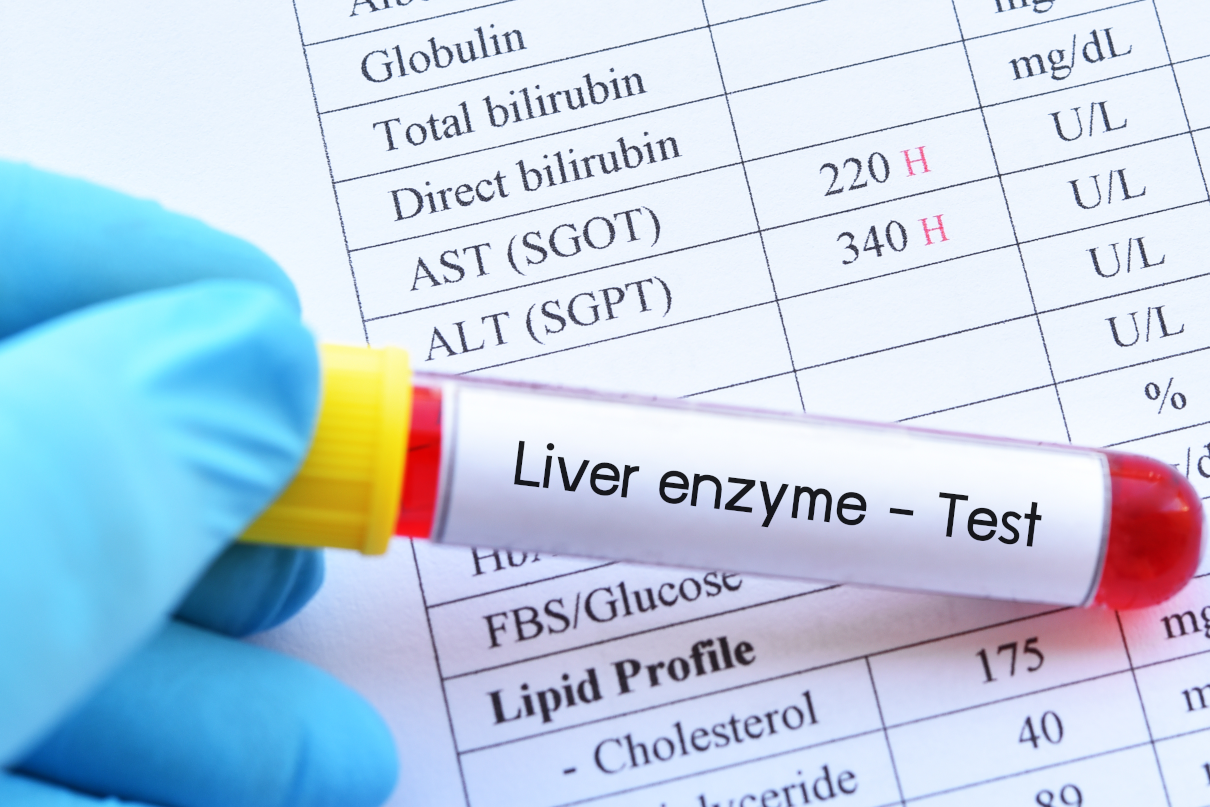
No routine blood test can confirm or exclude bowel cancer on its own. However, blood tests can give doctors useful information about your general health and possible signs of bleeding.
Your doctor may check your red blood cell count, iron levels, liver function and kidney function. For example, long-term bleeding from the bowel can contribute to iron-deficiency anaemia.
NICE includes iron-deficiency anaemia among the findings that can lead a GP to offer symptomatic FIT. It also recommends FIT for people aged 60 or over with anaemia even when tests do not show iron deficiency.
Blood tests therefore support the investigation, but they do not replace an examination of the bowel.
Physical examination
Your GP may examine your abdomen and check for tenderness, swelling or a lump. They may also perform a digital rectal examination.
During a rectal examination, the doctor gently checks the rectum with a gloved finger. This can help them identify a lump or another abnormality near the rectum.
These examinations cannot diagnose or exclude bowel cancer by themselves. Nevertheless, they can help your doctor decide which tests you need next.
Colonoscopy
A colonoscopy allows a specialist to look directly at the inside of the large bowel. The NHS describes it as the main test for bowel cancer after a specialist referral.
A thin, flexible tube carries a small camera through the rectum and along the bowel. The specialist can then inspect the bowel lining on a screen.
If the specialist finds a suspicious area or polyp, they can take a small tissue sample during the same procedure. Doctors call this sample a biopsy.
A laboratory then examines the tissue for cancer cells. The biopsy can confirm whether a suspicious area contains cancer.
Flexible sigmoidoscopy
A flexible sigmoidoscopy works in a similar way to a colonoscopy. However, it examines only the rectum and the lower part of the large bowel.
Your specialist may recommend this test when your symptoms or other findings point towards the lower bowel. A colonoscopy, in contrast, examines the whole large bowel.
CT colonography
A CT colonography, sometimes known as a virtual colonoscopy, uses CT technology to create detailed images of the colon and rectum.
Your specialist may choose CT colonography when a conventional colonoscopy does not suit your circumstances. You normally need bowel preparation before the scan so doctors can see the bowel clearly.
CT colonography can show abnormalities inside the bowel. However, it cannot take a biopsy. If the scan finds a suspicious area, you may still need another procedure.
What happens if a biopsy finds bowel cancer?
If laboratory tests confirm bowel cancer, your specialist team usually orders more investigations. These tests help the team establish the stage and choose the most suitable treatment.
The team may use CT scans, MRI scans, blood tests and, in selected circumstances, other imaging. They may also examine the tumour for specific molecular or genetic changes.
For example, MRI gives doctors particularly useful information when they assess rectal cancer. CT scans can also help them look for cancer elsewhere in the body.
Once doctors understand the cancer type and stage, they can discuss treatment options with you.
Screening FIT and symptomatic FIT are different
The NHS also uses FIT for routine bowel cancer screening. However, screening and symptom investigation follow different pathways and use different thresholds.
In England, the NHS currently sends a bowel cancer screening FIT kit every two years to people aged 50 to 74 who qualify for the programme. People aged 75 or over can request a kit every two years.
Screening aims to find signs of bowel cancer before symptoms appear. Therefore, you should not wait for your next screening kit if you develop new bowel symptoms.
NICE also states that doctors should still consider symptomatic FIT when appropriate, even if a person previously received a negative result through the screening programme.
Can doctors check for bowel cancer without a colonoscopy?
Yes, doctors have several other tests available. FIT, CT colonography, blood tests and other scans can all provide useful information.
However, these tests do not always replace colonoscopy. Colonoscopy gives the specialist a direct view of the bowel lining. It also allows them to take a biopsy from a suspicious area.
Your GP or specialist will choose the most appropriate investigation for your circumstances.
What if your tests are normal but symptoms continue?
Do not ignore persistent symptoms simply because one test produced a normal result. Contact your GP again if symptoms continue, change or become worse.
This point matters particularly with FIT. A normal FIT greatly reduces concern in many situations, but it cannot rule out every bowel cancer.
Your GP can review the whole clinical picture and decide whether you need another test or a specialist referral.
Concerned about bowel symptoms?
Changes in bowel habit, blood in the stool, unexplained weight loss, persistent abdominal pain and unexplained anaemia can have many causes. However, persistent symptoms deserve medical assessment.
Colon hydrotherapy is not a test for bowel cancer
Colon hydrotherapy cannot diagnose, exclude or treat bowel cancer. It also cannot replace FIT, colonoscopy, biopsy, scans or medical assessment.
If your symptoms raise concern about bowel cancer, arrange medical assessment first. At Parkland Natural Health, we screen clients for suitability before colon hydrotherapy and advise medical assessment when symptoms require investigation.
When should you contact your GP?
Contact your GP if you notice persistent or unexplained bowel symptoms, especially when they differ from what is normal for you.
Many common conditions can cause bowel symptoms. Even so, early assessment can help identify the cause and determine whether you need tests for bowel cancer.
Trusted UK information about bowel cancer tests
For further information, use these authoritative UK resources:
- NHS: Tests and next steps for bowel cancer
- NICE: Suspected cancer – colorectal cancer recommendations
- Cancer Research UK: Tests for bowel cancer
- Cancer Research UK: FIT for people with symptoms
Medical information notice: This article provides general information about tests for bowel cancer. It does not provide a diagnosis and cannot replace assessment by a GP or specialist. Doctors choose tests and referral pathways according to each person’s symptoms and clinical circumstances.
